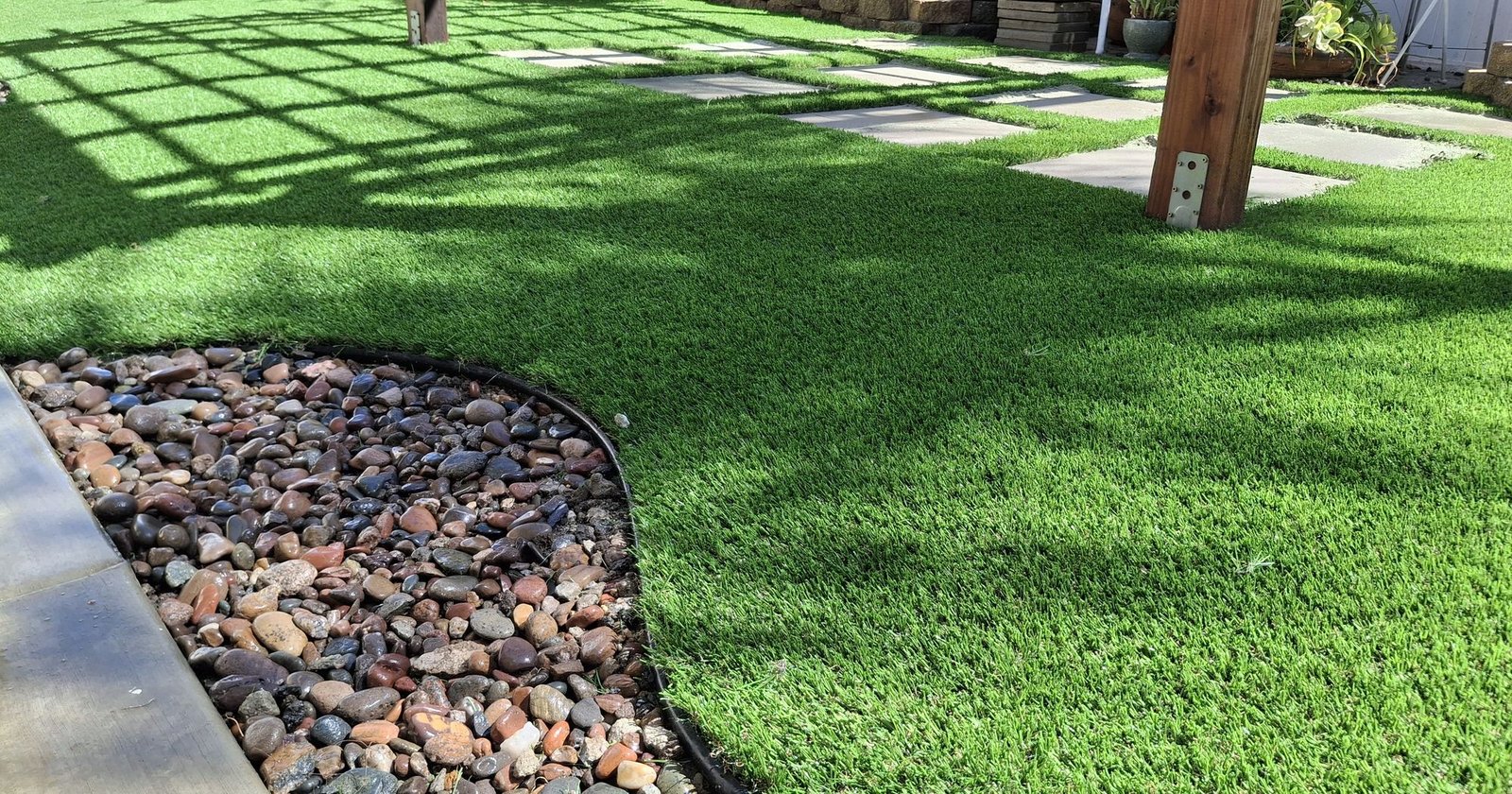
Artificial Grass Maintenance: The Simple Routine That Keeps Turf Looking New
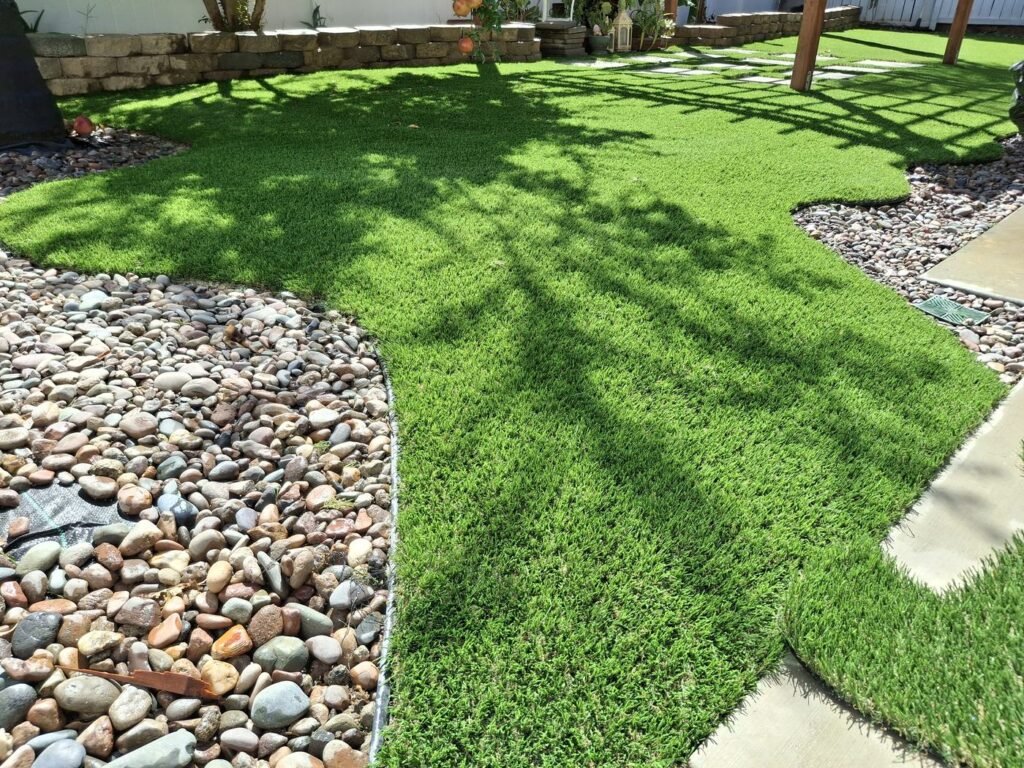
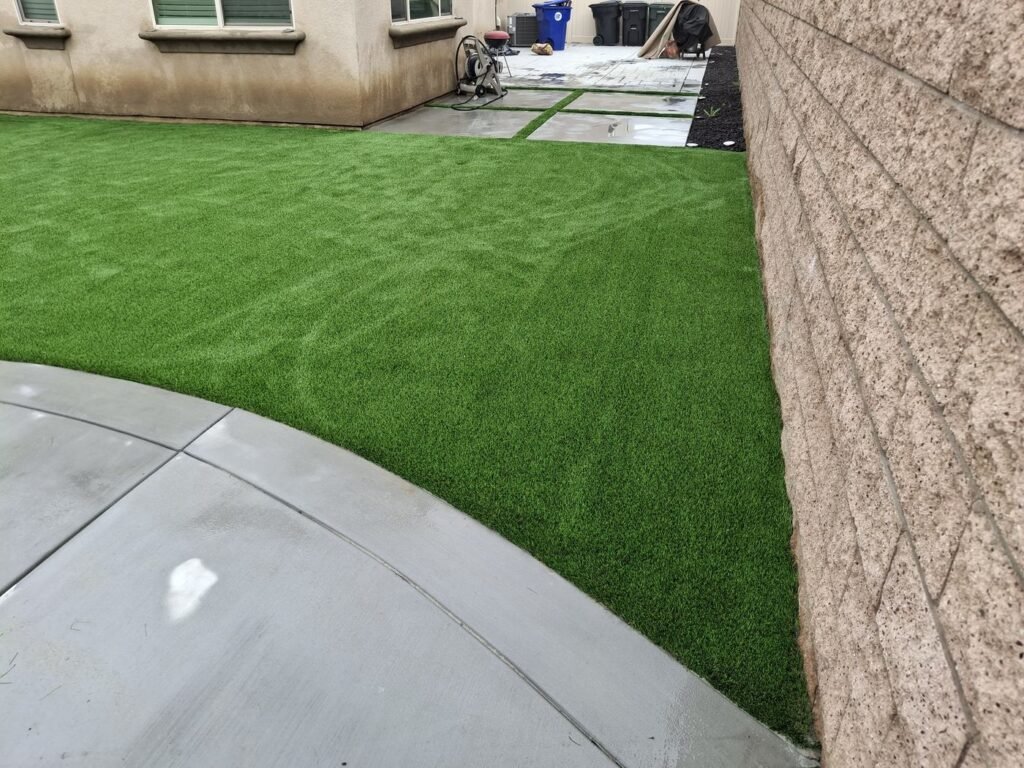
The biggest reason people switch to artificial grass is time. A natural lawn wants something every week: mowing, edging, watering, fertilizer, weed control. A turf lawn wants a few minutes now and then. Low maintenance isn’t zero maintenance, though, and the owners whose lawns still look new after years are the ones who keep up a simple routine. Here it is.
Clear leaves and debris, rinse the lawn now and then (more often with pets), and brush high-traffic areas so the blades stand up. Once a year, check the infill and top it up where it has thinned. That’s most of it.
What you no longer have to do
- No mowing, edging or trimming. No mower to maintain and no clippings to haul.
- No watering schedule. No sprinklers to adjust and no irrigation repairs for the lawn.
- No fertilizer, weed-and-feed or pesticides. Nothing to spray where kids and pets play.
- No reseeding bare spots or fixing brown patches after a hot summer.
Your artificial grass care routine
| How often | What to do | Why |
|---|---|---|
| Weekly, or when you notice it | Blow or rake off leaves, twigs and debris | Debris holds moisture and breaks down into dirt between the blades |
| Every week or two | Rinse with a hose, especially pet areas | Washes off dust, pollen and pet residue |
| Monthly in busy areas | Brush against the grain with a stiff (not wire) broom | Lifts flattened blades on paths and play areas |
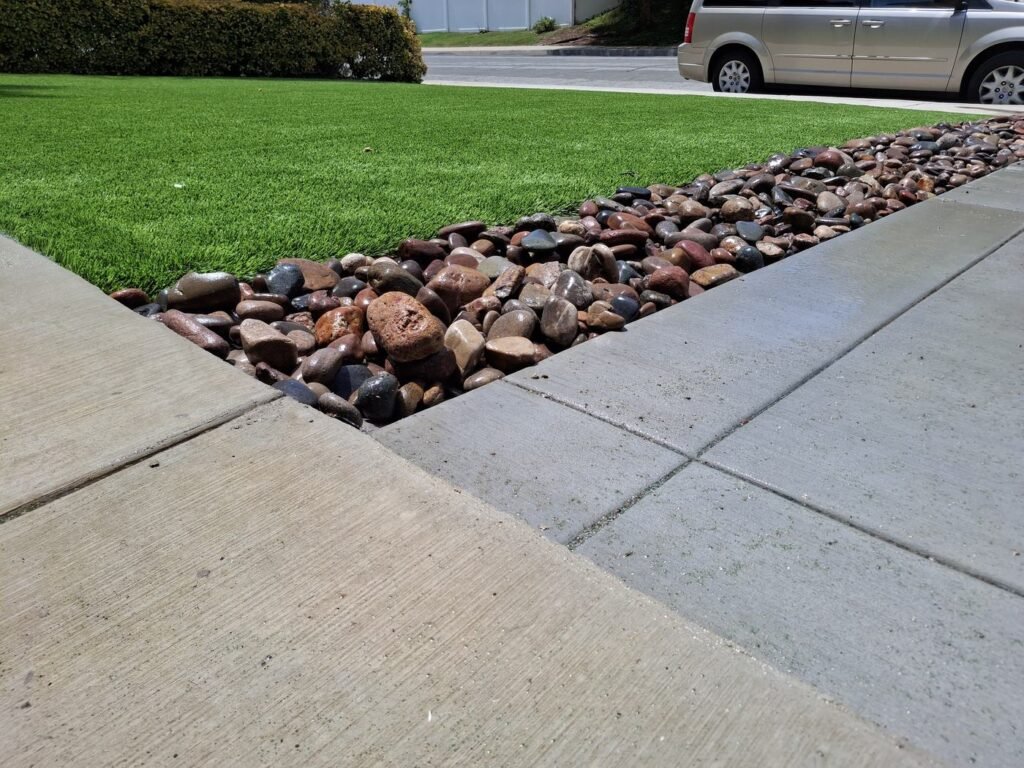
| A few times a year | Pull any weeds along the edges and check the borders | Seeds blow in and sprout at the edges, not through the turf |
| Once a year | Check the infill and top it up where it has thinned | Infill holds the blades up and protects the backing |
Use a plastic leaf rake or a leaf blower on a low setting. A metal rake can pull at the blades and the infill.
If you have pets
Pick up solid waste daily, rinse potty spots often, and use an enzyme cleaner or deodorizer made for artificial grass when you notice odor. In pet areas we mix antimicrobial pet infill into the infill sand, and a base that drains keeps urine from sitting under the turf. The full routine is in our guide to artificial grass for dogs.
Stains and spills
- Food and drinks: blot, then rinse with water and a little mild dish soap.
- Gum or sap: harden it with an ice cube, then lift it off.
- Oil or grease: blot with paper towels, then wash with mild soap and rinse well.
- Avoid bleach, solvents and strong acids. They can discolor the blades or damage the backing.
What to keep off the lawn
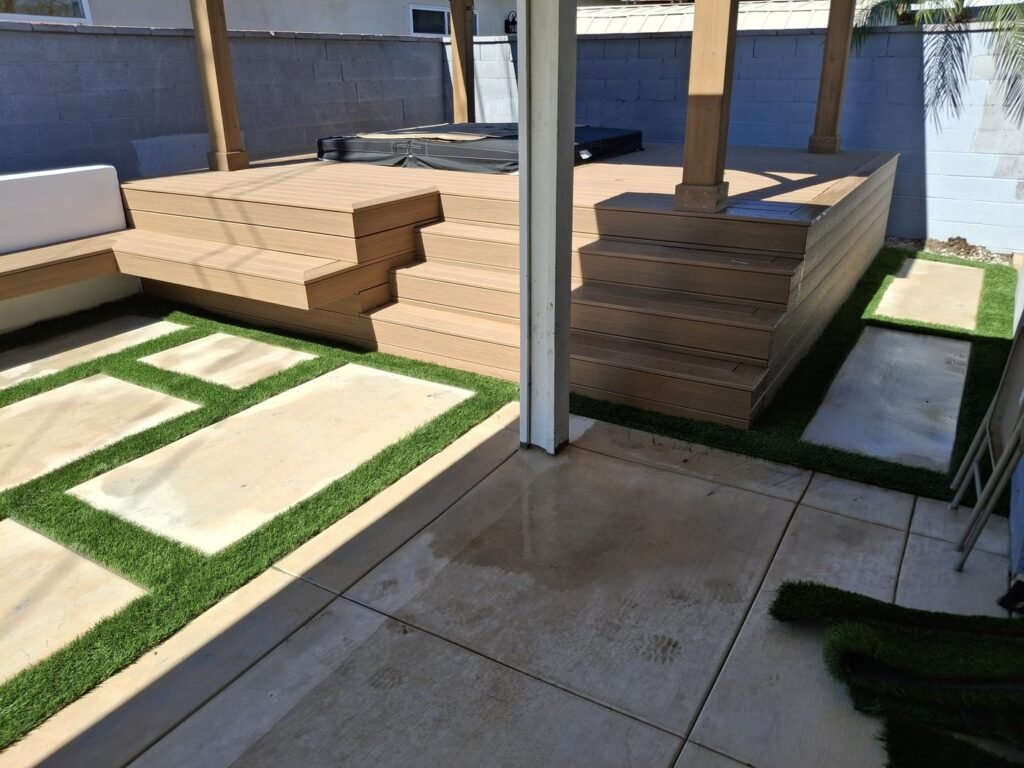
- Heat and flame. Fire pits, grills, cigarettes and fireworks can melt the blades. Keep them on a patio or pavers.
- Concentrated reflections. Some energy-efficient windows can reflect focused sunlight onto the lawn. If you notice a bright reflected spot, a screen or awning on that window solves it.
- Sharp or heavy points. Put pads under heavy furniture feet and don’t drag things across the turf.
- Harsh chemicals and weed killers on the turf itself.
Built to handle real life
How a lawn holds up depends as much on what’s under it as on the turf. We start with a compacted base of Class II road base or aggregate, add a smooth decomposed granite (DG) topping, and secure every edge with perimeter tacking and 6-inch perimeter spikes. Every lawn is topped with acrylic-coated sand infill. Here’s the whole build:
- Round acrylic-coated sandThe top dressing. Rounded grains coated in acrylic reflect heat and help the blades stand up.
- Base infill sand + antimicrobial pet infill optionalInfill sand settles between the blades for weight and support. In pet areas we mix in antimicrobial pet infill.
- Synthetic grassTurf cut, seamed and fitted to your yard, secured at the edges with perimeter tacking and 6-inch perimeter spikes.
- Decomposed granite (DG) toppingA fine finish layer that gives the turf a smooth, even bed.
- Class II road base or aggregateThe structural base the whole installation sits on.
- Woven geo fabricSeparates the base from the soil underneath.
- Pest control wire mesh optionalKeeps gophers and other burrowing pests out.
- SubgradeThe native ground under the installation.
See each step in our installation process.
Warranty and professional maintenance
Our turf carries a 16-year manufacturer’s warranty, and we back our installation work with a 2-year workmanship warranty. Rather hand off the upkeep? We offer recurring maintenance for homes, HOAs and commercial properties. Ask about it at your free measure, or call or text us.
Artificial grass maintenance questions
How often should I rinse artificial grass?
Every week or two is plenty for most yards. Rinse more often in hot, dry months and in areas pets use. Rain does some of the work for you in winter.
Can I pressure wash artificial grass?
Not up close. A strong jet can blast out the infill and fray the backing. Use a hose with a spray nozzle, or a pressure washer on its widest fan setting held well away from the turf.
Do weeds grow through artificial grass?
Rarely through the turf itself, because the base and fabric underneath block them. What you’ll see is the occasional weed along the edges or in the infill from seeds that blow in. Pull them by hand while they’re small.
Does artificial grass fade?
Quality turf is made for full sun. Our turf carries a 16-year manufacturer’s warranty.
How much does artificial grass cost to install?
Most of our installations land between $8 and $12 per square foot, installed. See what artificial grass costs.
Want a turf lawn that takes minutes, not weekends? Book a free measure, call 951-251-4124, or text us a photo of your yard.